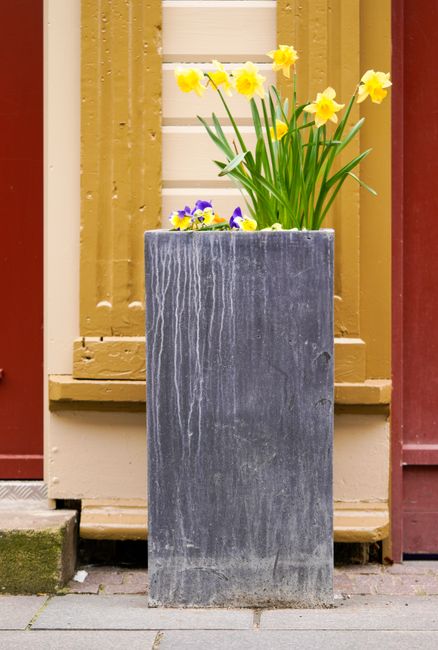
Uxbridge gardeners guide to The Chimes shopfront planters

If you are looking after shopfront planters around The Chimes, you already know it is not just a case of "pop in a few plants and hope for the best". Footfall is steady, the frontage gets noticed, and the whole display needs to look tidy on a wet Tuesday morning as well as on a bright Saturday rush. This Uxbridge gardeners guide to The Chimes shopfront planters is here to make that job easier, more practical, and a lot less guessy.
In the real world, shopfront planting has to work hard. It needs to welcome customers, soften hard paving, handle shade, heat, wind, and occasional neglect, and still look decent when the season shifts. That is a tall order, truth be told. But with the right planting plan, the right container choice, and a sensible maintenance rhythm, planter displays can become one of the simplest ways to lift a retail frontage.
Below, you will find a clear guide to what matters, how the work is usually planned, what to avoid, and how to keep The Chimes frontage looking polished without making life harder than it needs to be.
Why Uxbridge gardeners guide to The Chimes shopfront planters Matters
Shopfront planters do more than decorate a frontage. At The Chimes, where people are walking past quickly, browsing, meeting friends, or heading straight into a store, first impressions happen in seconds. A neat planter can make a business feel welcoming, cared for, and quietly professional. A tired one does the opposite. No drama, just reality.
For gardeners, the challenge is that commercial planters are not the same as a domestic border or patio bed. They sit in a public-facing space, which means they must look good from multiple angles, survive more wear and tear, and stay presentable with less room for error. You cannot rely on "it will fill out later" if the display looks sparse now. Retail landscaping has to look intentional from day one.
There is also the practical side. Planters near entrances can influence how people move, where they pause, and how the frontage feels in poor weather. Dense, well-kept planting can soften hard surfaces, reduce glare from blank paving, and help define a business entrance without blocking access. That balance matters. A lot.
For businesses and property managers, this is also a cost-awareness topic. The right planting mix can lower replacement costs, reduce daily tidying, and keep the frontage looking alive without constant intervention. If you are comparing services, the broader services overview can help frame the sort of ongoing support a retail frontage usually needs, from planting to maintenance and seasonal refreshes.
How Uxbridge gardeners guide to The Chimes shopfront planters Works
Shopfront planters are usually planned in layers. That is the easiest way to think about them. You are not just choosing flowers; you are building a mini display that needs structure, colour, texture, and reliability. A good planter scheme balances all four, otherwise it ends up looking messy by mid-season.
First comes the site reading. A gardener looks at sun and shade, wind exposure, water access, foot traffic, sightlines, and how the planting sits against the building and paving. A planter in a sheltered corner behaves very differently from one sitting in open air near a busy entrance. Even a small patch of reflected heat from glass can dry things out faster than you expect.
Next comes the container plan. Shopfront planters need appropriate size, drainage, weight, and stability. Too small, and the plants dry out too fast. Too light, and they can shift or look cheap. Too large, and they may crowd the entrance or become awkward to move for cleaning or access. This is where commercial judgement matters more than flashy planting ideas.
Then comes plant selection. In a retail setting, gardeners tend to favour combinations that offer structure, seasonal interest, and resilience. Evergreen shapes, long-flowering bedding, grasses, herbs, or compact shrubs can all work, depending on the style of the frontage. You will often get the best result from a mix rather than a single type of plant. It feels fuller, and frankly it is easier on the eye.
Finally, there is maintenance. Shopfront planters do not stay neat by accident. They need deadheading, feeding, watering, debris removal, and periodic replacement. If the planters are installed and then forgotten, they will not stay presentable for long. Let's face it, plants are living things, not signage.
What a good working setup usually includes
- Containers sized for root growth and stability
- Quality compost or growing medium suited to planter use
- Drainage that prevents waterlogging
- Plants chosen for the site's light, weather, and visibility
- A watering schedule that matches the season
- Regular tidy-ups to remove spent flowers, litter, and fallen leaves
- Replacement planting for any gaps or seasonal changeovers
Key Benefits and Practical Advantages
There is a reason well-managed planter displays are used so often in retail settings. They solve several small problems at once. And in places like The Chimes, small visual improvements stack up fast.
Better curb appeal. A tidy planter display makes the frontage feel cared for. That matters even if customers do not consciously notice it. People feel it before they can explain it.
Clearer identity. The right planting style can support a brand. Clean evergreen structure suggests order and calm; bright seasonal colour feels friendly and lively; a restrained, modern mix feels sharp and contemporary. That nuance matters more than many businesses realise.
More welcoming entrances. People are naturally drawn to softened edges, especially in urban retail areas where paving, glass, and metal can feel hard. A good planter gives the eye somewhere pleasant to land.
Flexible seasonal change. Shopfront planters can be refreshed through the year without major construction work. That makes them a useful low-disruption way to keep the frontage looking current.
Lower visual noise. A strong planting scheme can make a frontage look organised even when the surrounding environment is busy. That is helpful at peak shopping times when everything feels a bit full-on.
Support for footfall flow. Good planters can guide movement subtly, marking boundaries without creating barriers. That is one of those details that works best when nobody notices it.
Expert summary: In commercial frontages, the best planter schemes are not the flashiest ones. They are the ones that stay tidy, make the entrance look intentional, and still look decent after a week of wind, rain, and constant passers-by.
If you are already managing wider outdoor works, these benefits often sit alongside broader improvements such as landscape gardening or more general landscaping support, especially where the frontage and surrounding hardscape need to feel like one coherent space.
Who This Is For and When It Makes Sense
This guide is useful for anyone responsible for a visible commercial frontage near The Chimes, especially if the planters are part of a customer-facing entrance rather than a purely decorative side area.
It makes sense if you are:
- A shop manager wanting a cleaner, more inviting entrance
- A facilities team member handling external presentation
- A property manager balancing appearance and maintenance cost
- A business owner comparing one-off planting with ongoing upkeep
- A gardener or contractor tasked with improving a retail frontage
It also matters when the existing planters are looking patchy, overgrown, or underperforming. Maybe the bedding is tired by July. Maybe the containers are too small. Maybe the site gets more shade than anyone expected. Or maybe the frontage is fine in spring, then slips badly once summer heat or autumn leaf drop kicks in. That happens more often than people admit.
There are times when a lighter-touch approach is enough, and times when a full reset is better. If the planters are structurally sound but the planting is weak, you may only need replanting and a better maintenance routine. If the containers are cracked, unstable, or too shallow, replacing the planting alone will not fix the problem. A gardener's job is to spot that difference honestly.
For nearby owners who need routine support rather than a full redesign, ongoing garden maintenance is often the most sensible route, because shopfront planting works best when someone keeps an eye on it before it tips into decline.
Step-by-Step Guidance
If you want planters that look good and stay manageable, the process needs to be practical from the start. Here is the basic approach experienced gardeners tend to follow.
1. Assess the site properly
Start with the boring bits. Sun, shade, exposure, drainage, water access, pedestrian movement, and cleaning access all matter. If you skip this, you end up choosing plants for the wrong conditions. And then everyone wonders why the display looks tired by midsummer.
2. Define the look you want
Do you want bright and seasonal, calm and elegant, or modern and architectural? That decision shapes everything else. A planter near a polished retail frontage might suit low, structured planting with crisp lines. A more relaxed store might suit softer textures and more colour. There is no single right answer, just the right fit.
3. Select the right container type
Choose planters with enough depth for the root system and enough weight to stay stable. Consider material too. Some finishes feel premium and suit a high-footfall setting, while others are lighter and easier to reposition. Drainage holes are not optional, really. A planter that holds too much water becomes a problem fast.
4. Build the planting mix
A balanced mix often includes:
- one structural layer for shape
- one seasonal layer for colour or texture
- one filler layer to close gaps and create volume
This is where a lot of weaker displays fall down. Too many identical plants, and the result can look flat. Too many bright features, and it can turn noisy. Good design has restraint.
5. Plant for the season you are in
It sounds obvious, but people often plant as if the calendar does not matter. Spring planting wants a different feel from autumn planting. If the display needs to look good immediately, choose plants that give coverage quickly rather than relying on late growth. Waiting for things to "fill out" is not much comfort to a storefront that needs to look ready now.
6. Set the watering plan early
Containers dry out much faster than ground beds. In warm weather, you may need more frequent watering, especially if the planters are in a sunny or sheltered position. Some sites also need a check early in the morning before footfall picks up. It is not glamorous work, but it matters.
7. Schedule maintenance from day one
Deadheading, trimming, feeding, and litter removal should be scheduled before the planting even goes in. That way, the display stays part of a system, not a rescue job. Small but important difference.
8. Review and adjust
A commercial frontage should be reviewed regularly. If a plant is struggling, replace it quickly. If the colour balance feels off, adjust it. If shade changes over the year, adapt the mix. Good gardeners do not cling to a plan just because they drew it on paper in March.
Expert Tips for Better Results
Here are the practical details that often make the difference between "nice enough" and "properly polished".
Use repetition wisely. Repeat a few plant forms across the frontage so the display feels coherent. Repetition creates calm. Too much variety, and the whole thing starts looking busy in the wrong way.
Think in heights. A frontage usually looks better when planting has a clear height structure. Low trailing plants, mid-level colour, and a few stronger vertical accents often work better than an even, flat line.
Choose plants that do not sulk easily. Retail frontages are not the place for fussy choices that collapse after one hot spell. Tough, reliable species usually give better value than rare-looking plants with dramatic habits.
Mind the season swing. A scheme that looks lovely in June can feel thin by October if you have not planned ahead. Seasonal change is not a bonus; it is part of the job.
Keep one eye on cleanliness. Leaves, spent petals, and spilled compost are tiny things, but they make a frontage look scruffy very quickly. A five-minute tidy can save a whole day of "why does it look off?"
Do a lunchtime check. It sounds a bit old-school, but a quick check during the middle of the day shows how the display reads when people are actually passing by. That is often when the little flaws become obvious.
And yes, you will notice if one side gets more attention than the other. People always notice.
Common Mistakes to Avoid
Some planter problems are easy to spot, but they still happen all the time. Usually because somebody was rushed, or because the display looked fine on installation day and then quietly unravelled. A classic.
Using the wrong size planter
Small planters dry out quickly and can look cramped. Huge planters can overwhelm the frontage or become impractical to move. Size should suit the site and the root space, not just the available corner.
Choosing plants for looks only
A plant that looks great in a nursery may be a poor fit for a windy retail frontage. Match the plant to the conditions first, aesthetics second. Ideally both.
Forgetting maintenance access
If nobody can water, weed, or tidy the planters easily, the display will become a chore. The best designs allow people to work on them without awkward stretching or constant obstacle-avoidance.
Overcrowding the container
Too many plants in one planter can create a "full" look at first, but it often leads to weak growth and more competition later. Space matters, even in container design.
Ignoring drainage and weight
Waterlogged planters fail. Lightweight planters in exposed positions can also be unstable. Both problems are preventable, which makes them a bit annoying when they happen.
Letting the display drift
One missed tidy-up becomes two, then suddenly the planters look like nobody cares. That is how it goes. Commercial planting needs rhythm, not guesswork.
Tools, Resources and Recommendations
You do not need an enormous toolkit to keep shopfront planters looking good, but the right equipment saves time and prevents avoidable damage.
Useful tools and supplies
- Hand trowels and small spades for replanting and top-ups
- Watering cans or a reliable watering system
- Secateurs for pruning and deadheading
- Gloves with enough grip for repeated small jobs
- Compost or growing medium suitable for container planting
- Slow-release feed or seasonal plant nutrition, where appropriate
- Replacement plants for quick swaps when something fails
Practical recommendations
If the frontage sees a lot of sun or reflected heat, use plants that cope with dry spells and inconsistent moisture. If it is shaded by buildings or covered walkways, choose planting that performs without constant direct light. That sounds basic, but it is the bit people still get wrong.
If your business needs a more regular support schedule, services like lawn mowing, hedge trimming, or tree lopping and removal may also be relevant in the wider site plan, especially where outdoor presentation is part of the overall customer experience.
For garden waste, old compost, or seasonal clear-outs, it can help to coordinate with garden clearance so the frontage is never cluttered with the bits nobody wants to see. Clean edges matter more than people think.
Law, Compliance, Standards, or Best Practice
For shopfront planters, the main concern is usually not obscure legislation. It is practical best practice, safety, access, and keeping the frontage suitable for public use. That said, good commercial gardening should always be mindful of a few core responsibilities.
Access and obstruction. Planters should not block entrances, footpaths, emergency access routes, or create awkward trip hazards. Even a beautifully planted container becomes a problem if it narrows movement or gets in the way of routine access.
Trip and stability risks. Containers must be placed so they are stable and unlikely to tip. Surfaces can be slick in rain, and planters can shift if they are light or poorly positioned. This is one of those areas where common sense and good setup go hand in hand.
Health and safety. Any site work involving lifting, pruning, tools, or repeated watering should be carried out with sensible manual handling practice and proper site awareness. If contractors are working on the frontage, they should be covered by appropriate safety processes. A business should never assume this part will sort itself out.
Water management. Excess runoff can make paving messy or slippery. Good drainage and careful watering help avoid that, especially where customers are entering and leaving throughout the day.
Sustainability choices. Reusable containers, efficient watering, compost choices, and plant selection all contribute to a more responsible maintenance approach. If sustainability is part of your brand, the planters should reflect that in a real, visible way rather than a token one.
For businesses that want the safety side handled carefully, it is worth understanding the provider's approach to insurance and safety and their published health and safety policy. That kind of housekeeping is not glamorous, but it is exactly what you want to see before work begins.
You may also want to review the company's approach to recycling and sustainability, especially if old planting materials, waste, or replacement compost are part of the job. It is a small detail on paper, though it says a lot about the way a service is run.
Options, Methods, or Comparison Table
There are several sensible ways to approach shopfront planters. The best choice depends on budget, maintenance capacity, and the look you want to maintain through the year.
| Approach | What it offers | Best for | Watch out for |
|---|---|---|---|
| Seasonal bedding displays | Bright colour, quick visual impact, easy to refresh | Businesses wanting strong seasonal appeal | Needs regular watering and replacement |
| Evergreen structure with accent planting | Reliable shape, lower churn, tidy year-round presence | Frontages that need consistency | Can feel plain if not balanced well |
| Mixed container planting | Colour, texture, and structure in one scheme | Retail frontages needing a more designed finish | Requires careful plant selection |
| Low-maintenance hardy planting | Less intervention, good durability | Sites with limited upkeep time | May offer less immediate floral impact |
In practice, many of the strongest results come from a mixed approach. A frontage does not have to choose between attractive and durable. It just needs a plan that respects both.
Case Study or Real-World Example
Picture a typical retail frontage near The Chimes on a damp morning. The paving is still holding a bit of rain, there is foot traffic picking up, and the existing planters are doing that very British thing of looking "fine" from far away and rather tired up close. A few gaps. A few drooping stems. One container is winning the battle against algae, and not in a good way.
A sensible refresh begins with a cleanup, then a reset of the planting structure. The gardeners decide to keep the containers, because they are still solid and the size is suitable. They replace weak plants with a mix of evergreen structure and long-lasting seasonal colour, using taller accents at the back and softer spillers at the edges. The watering routine is set out clearly, and the deadheading is built into a weekly visit.
What changes? The frontage feels sharper almost immediately. Customers have a cleaner approach to the entrance. The shop appears more "open for business" even before anyone steps inside. Nothing dramatic, just a better atmosphere. That's often how good planting works, to be fair. It quietly raises the standard.
If the display had been left alone, it probably would have drifted into a sorry state by late season. Instead, the planters now do their job properly. Not a showpiece for the sake of it. Just a well-managed piece of the customer experience.
Practical Checklist
Use this checklist before installing or refreshing shopfront planters at The Chimes:
- Check sun, shade, wind, and drainage conditions
- Confirm access for watering, pruning, and cleaning
- Choose containers with enough depth and stability
- Match plant choice to the site, not just the season
- Build a mix with structure, colour, and texture
- Make sure there is a maintenance schedule from day one
- Plan for seasonal replacements where needed
- Keep walkways, doors, and emergency routes clear
- Review the frontage from both near and far
- Set a routine for litter, leaf, and debris removal
- Have backup plants ready for quick swaps
- Monitor watering more closely during warm or windy spells
Quick takeaway: If the planter scheme is easy to maintain, it is far more likely to stay attractive. That sounds obvious, but it is the bit that saves time, money, and a fair bit of frustration later.
Conclusion
A well-planned shopfront display can do a lot for a business at The Chimes. It can soften hard edges, improve first impressions, and help a frontage feel properly cared for without requiring a complete redesign. The secret is not more plants. It is the right plants, in the right containers, with a maintenance plan that actually happens.
This Uxbridge gardeners guide to The Chimes shopfront planters is really about making outdoor presentation easier to manage and better to look at, day after day. Keep the planting practical, keep the access clear, and keep an eye on the details. The result is usually better than people expect.
If you are weighing up a refresh, a seasonal reset, or ongoing maintenance support, start with the site itself and build from there. Good planter work is steady work, not flashy work. And honestly, that is what makes it last.
Get a free quote today and see how much you can save.
Sometimes the smallest green details are the ones that make a place feel genuinely cared for.
Frequently Asked Questions
What makes shopfront planters different from regular garden planters?
Shopfront planters need to look good in a public, high-traffic setting, so they must balance visual appeal with durability, access, and easy maintenance. They are usually judged more quickly and more often than domestic planters.
How often should The Chimes shopfront planters be watered?
It depends on the season, the size of the container, and the exposure of the site. In warmer or windier weather, containers usually need checking more often because they dry out faster than planted borders.
Which plants work best for commercial frontage planters?
The best plants are usually reliable, compact, and suited to the light conditions of the site. A mix of structure, seasonal colour, and hardy fillers often gives the most balanced result.
Can shopfront planters stay attractive all year?
Yes, if they are planned for seasonal change. Evergreen structure helps keep the display presentable in quieter months, while seasonal planting can be swapped in when colour is needed.
How do I stop planters from looking messy so quickly?
Regular deadheading, watering, tidying, and replacing weak plants makes the biggest difference. A display usually looks untidy when maintenance is irregular, not because the planting idea was bad.
Are larger planters always better?
Not always. Larger planters hold moisture better and give roots more space, but they also need to suit the frontage. If they block movement or overwhelm the entrance, they are the wrong size.
What is the biggest mistake people make with shopfront planting?
Choosing plants for appearance alone is a common one. A plant that looks great in a nursery may struggle badly in wind, shade, or heat at a retail frontage.
Do shopfront planters need professional maintenance?
They do not always need full professional care, but they do need regular attention. Many businesses find that scheduled maintenance is cheaper and less stressful than trying to rescue tired planting later.
How do I make the frontage look smart without overdoing it?
Use repetition, keep the planting palette controlled, and choose a few strong shapes rather than many competing ideas. Clean lines and simple structure often look more professional than a crowded display.
What should I check before installing new planters?
Check drainage, sunlight, wind, access, stability, and how the planters affect customer movement. It is also worth thinking about how the display will be watered and maintained over time.
Is there a best time of year to refresh shopfront planters?
There is no single perfect moment, but seasonal changes are often a natural time to refresh planting. Many businesses also choose to update planters before busier trading periods so the frontage looks ready and cared for.
Can planters support a brand image?
Yes. Plant choice, container style, and how neatly the display is maintained all influence the impression customers get. A frontage can feel modern, calm, elegant, friendly, or practical depending on those choices.
For more background on the company and its wider approach, you can also explore the about us page or read more on the blog for related garden ideas and local service insights.